Subtotal $0.00

Email :67
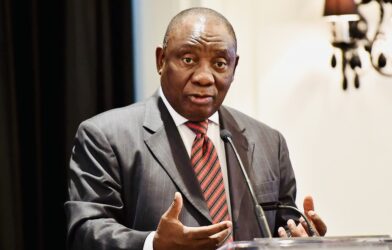
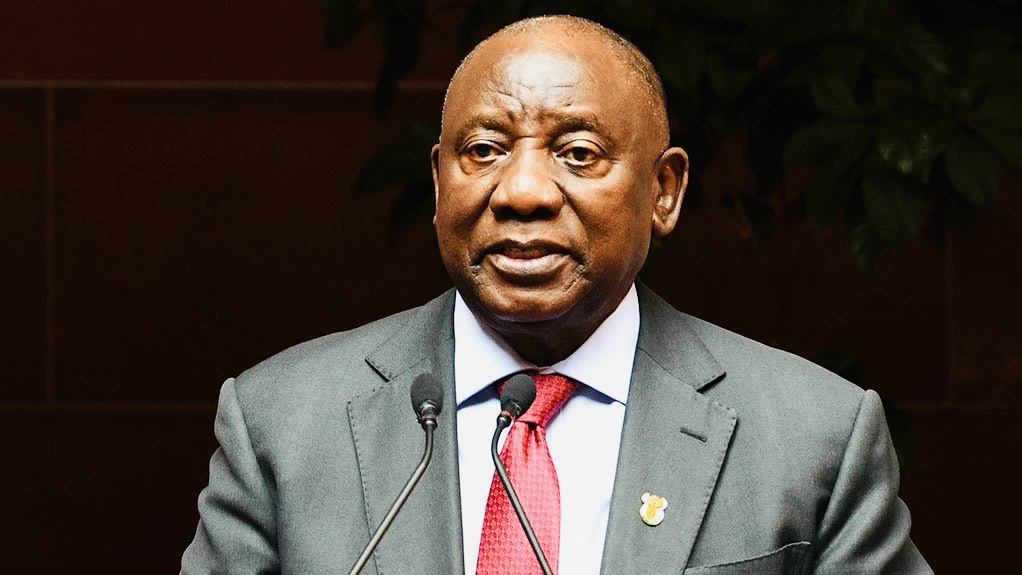
President Cyril Ramaphosa: Photo Supplied
By Walter Jacobs: President Cyril Ramaphosa reaffirmed South Africa’s commitment to participate fully in the G20, despite a closely watched development: the United States announced it would not extend an invitation to South Africa for the 2026 G20 summit, which is slated to take place in Miami, Florida.
The president’s remarks sought to chart a steady course through diplomatic turbulence and reaffirm South Africa’s status as a foundational member of the world’s premier economic forum.
The President’s Opening Stance
Ramaphosa opened by framing South Africa’s stance as one of resilience and constructive engagement. He indicated that, notwithstanding the U.S. decision, the country would “continue to participate fully and remain an active and constructive member of the G20 countries.”
The U.S. move arrived amid heightened tensions following the Johannesburg-hosted G20 summit and a symbolic moment when South Africa reportedly refused to symbolically pass the G20 presidency to a senior U.S. Embassy representative at the close of this year’s gathering.
Diplomatic Shifts and US Remarks
The U.S. decision drew broader commentary as Trump’s team asserted that South Africa would not receive an invitation to the 2026 G20 summit in Miami and announced immediate halts to payments and subsidies, a move that has reverberated through Africa-U.S. diplomacy.
Ramaphosa characterized the U.S. stance as part of a broader dispute that he described as grounded in disinformation and mischaracterizations about South Africa’s policies and actions.
Contested Narratives on Human Rights Allegations
The president quoted the U.S. administration’s reasons for non-participation, which included allegations of “the horrific human rights abuses” endured by Afrikaners and other descendants of Dutch, French and German settlers.
He noted that white South Africans had faced violence and dispossession, reiterating that these are claims that South Africa has repeatedly disputed. Still, Ramaphosa emphasized that these assertions “are baseless and false” when directed at a country that he pledged would continue engaging with the United States with “respect and dignity as equal sovereign countries.”
Domestic and International Messaging
In a message aimed at calming domestic and international nerves, Ramaphosa insisted that South Africa would remain a steadfast partner to the United States in a landscape of shared interests.
He highlighted that many U.S. organizations, businesses and individuals participated in G20-related activities, such as the Business 20 Summit and the G20 Social Summit, whose constructive involvement he said was valued.
Historical Context and Presidency Handover
The president sought to contextualize the U.S. withdrawal within broader geopolitical currents. He noted that South Africa had formally handed over the G20 presidency for 2026 to the United States “observing the appropriate diplomatic protocols,” and he lamented the president’s statement that South Africa would not be invited to participate in the U.S.-hosted G20 Leaders’ Summit.
He likewise condemned what he described as “untrue statements about genocide against Afrikaners and the confiscation of land from white people” put forth by the U.S. administration.
Ramaphosa underlined South Africa’s long-standing identity as a founding member of the G20 and asserted that the country remains “a member of the G20 in its own name and right.” He reiterated the aim to participate as a “full, active and constructive member of the G20,” despite the diplomatic rifts that had emerged in the wake of the summit.
A Call for Ongoing Dialogue
In a broader appeal for continued dialogue, Ramaphosa framed the U.S.-South Africa relationship as one of enduring camaraderie and shared history.
He invoked the positive chapters of U.S. support for democracy and freedom, recalling the solidarity movement in the United States and the inspiration drawn from the American Bill of Rights as he explained South Africa’s own democratic journey and its constitutional framework. He offered “the people of the United States nothing but goodwill and friendship.”
The U.S. Genocide Controversy in Focus
The speech also touched on the broader political background surrounding the U.S. stance. Trump has been vocal in accusing South Africa of “white genocide,” a label that has punctuated the bilateral discourse since he took office for a second term in January.
The president noted, in parallel, U.S. actions such as the freezing of funding for programs like the President’s Emergency Plan for AIDS Relief (PEPFAR) and USAID, in the context of South Africa’s move to initiate international legal action against Israel at the International Court of Justice regarding alleged genocide in Gaza.
A Commitment to Dialogue and Partnership
In a concluding note, Ramaphosa stressed that South Africa would persist in engaging with the U.S. government, maintaining that dialogue would occur with “respect and dignity” and recognizing the two countries as sovereign partners with shared interests.
He argued that a campaign of misinformation inside and outside South Africa had influenced the U.S. administration’s stance, warning that such narratives risk undermining “South Africa’s national interests, destroying South African jobs and weakening our country’s relations with one of our most important partners.”