Subtotal $0.00

Email :78

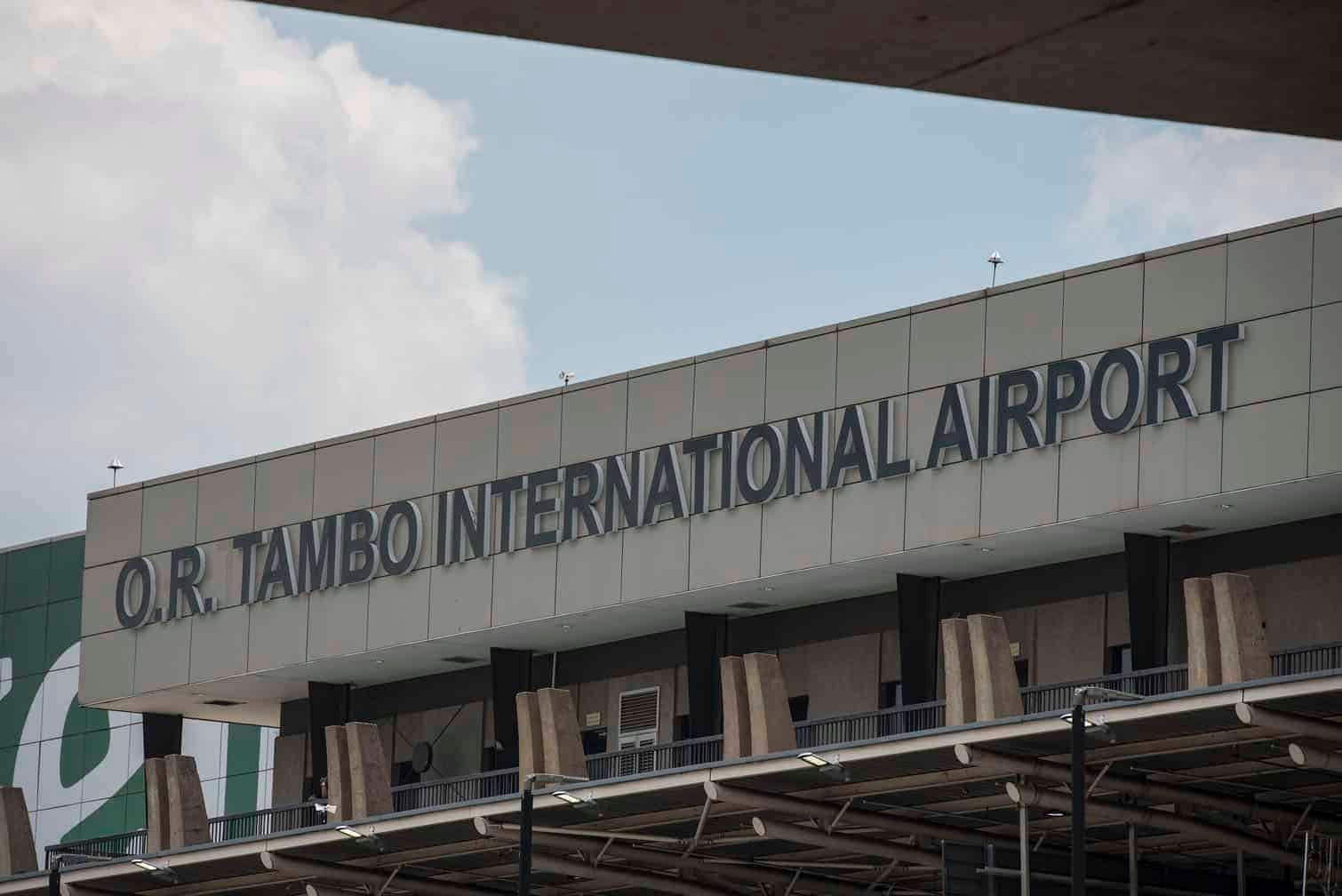
By Sipho Mahlangu: In a growing challenge to national security, the OR Tambo International Airport near Johannesburg has emerged as a focal point for organized crime syndicates, according to senior officials at the Institute for Security Studies (ISS).
The warning comes in the wake of a high-profile interception by the Border Management Authority (BMA) on Friday, which led to the arrest of 30 illegal foreigners tied to a suspected human trafficking operation.
Arrests spotlight regional vulnerability
The BMA’s operational briefing indicates that 16 of the detained passengers were Bangladeshi nationals and 14 were Ethiopian. The agency framed the incident as part of a broader pattern of transnational trafficking networks exploiting porous borders and overwhelmed border controls.
Expert analysis: structural weaknesses invite crime
Willem Els, the Senior Training Coordinator at ISS, emphasizes that socio-economic pressures are feeding a market for criminal activity. He points to high unemployment, poverty, and corruption as ingredients that render the country susceptible to organized crime.
“We see that your porous borders especially at the OR Tambo Airport that is in question now – that it’s for long been a target by your organised crime syndicates because of opportunity, because of the under resources and also the understaffed nature of our authorities there. But, also the very high levels of corruption that is prevalent there.
So, these syndicates use big amounts of money and then they exploit the vulnerability of the state embedded actors there. And at the end of the day, they seem to be one step ahead of law enforcement as always,” Els said.
What this means for policy and public safety
Experts argue that the incident underscores the need for a multi-faceted approach that strengthens border infrastructure, enhances interagency collaboration, and addresses the socio-economic drivers that traffickers exploit. Recommendations circulating within security circles call for:
Upgraded screening technologies and streamlined passenger checks at major hubs, Increased staffing and better training for frontline officers, Greater coordination between national agencies to disrupt trafficking networks and Comprehensive social and economic interventions to reduce vulnerability to exploitation.