Subtotal $0.00

Email :38
By Walter Van Vuuren: After months of fear, funerals, and sleepless nights, a rare sense of calm has settled over parts of the greater Muizenberg area — and for many residents, it is a welcome pause in a long-running war against gang violence.
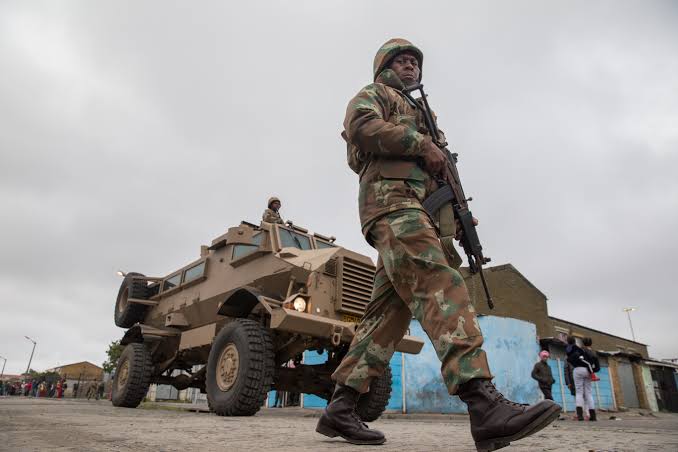
The Steenberg Community Policing Forum (CPF) says the recent deployment of soldiers to the Cape Flats has already made a visible difference in communities battered by gunfire and gang-related crime.
Areas such as Lavender Hill, Overcome Heights, Vrygrond and Seawinds have in recent months been gripped by persistent gang violence, leaving families trapped between rival groups and constant danger. Lavender Hill, in particular, remains one of the 13 areas contributing the highest number of gang-related murders in South Africa, underlining the scale of the crisis.
Soldiers on patrol, communities watching closely
About 200 soldiers have been deployed to the Western Cape, specifically to gang-stricken parts of the Cape Flats, where they are working alongside police in a renewed push to curb crime.
Since the launch of Operation Prosper at the beginning of the month, law enforcement agencies have carried out several raids and arrests across the metro. According to community leaders, those actions appear to have disrupted criminal activity — at least for now.
Steenberg CPF chairperson Nicola Small said the intervention had an immediate effect in the area, particularly after raids and search operations were conducted last week.
“We didn’t have any murders or attempted murders reported during this time. So, by all means, it seems to have been a successful operation having them here.”
For residents who have grown used to the sound of gunshots echoing through their neighborhoods, that absence of bloodshed is no small achievement.
A calm period — but not a permanent solution
While the temporary stabilisation has brought relief, Small cautioned that the military presence also exposes a deeper reality: communities need stronger, sustained law enforcement if gun violence is to be brought under control.
She said the deployment has once again shown the importance of having more security personnel on the ground in crime-ridden areas.
Rather than viewing the current calm as victory, community leaders are framing it as proof that concentrated intervention can work — if it is consistent and properly supported.
Fear still silences residents
Small also renewed calls for residents to work with police in the fight against crime, while acknowledging the very real dangers many face in doing so.
“Often the perpetrators live among them – they are family members, relatives, or friends. So, there’s a constant appeal to the community. But we also understand that residents fear for their safety because of intimidation and retaliation. They are afraid they will be identified and targeted themselves.”
That fear has become one of the biggest obstacles in breaking the grip of gangs. In many cases, those behind shootings are not strangers, but people known within the community — making silence a survival tactic for residents who worry they could become the next targets.
Hope, caution and a community under pressure
For now, the streets are quieter, and that alone is giving some families a chance to breathe. But beneath the relief lies a hard truth: calm in the greater Muizenberg area remains fragile.
The success of Operation Prosper may have created breathing room, but residents and community leaders know that lasting peace will require more than short-term deployments. It will demand continued policing, community trust, and protection for those brave enough to speak out.
In communities long scarred by gang violence, this moment is being welcomed — but cautiously.