Subtotal $0.00

Email :186
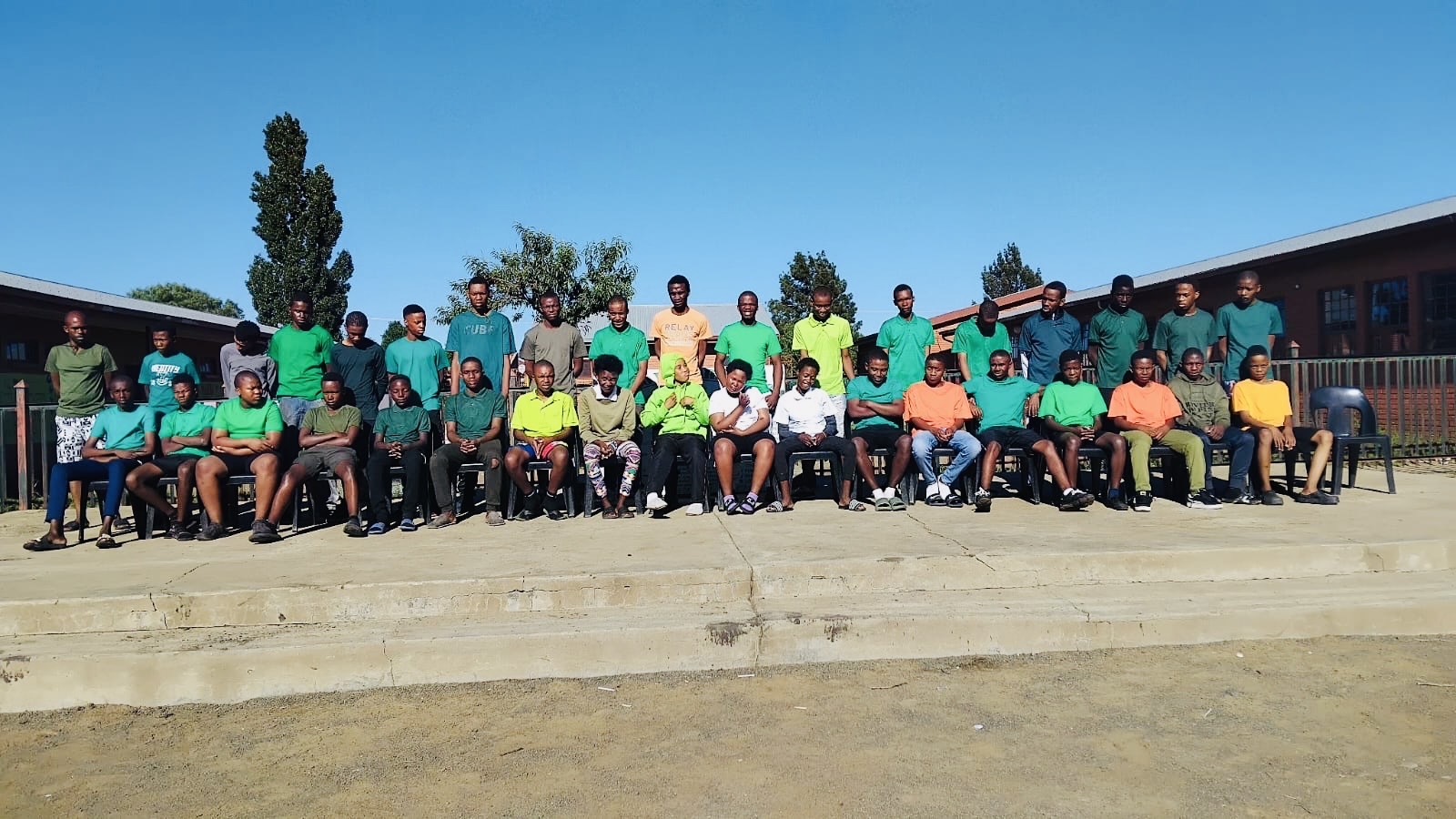
Disciplinary Camp attendees: Photo Supplied
By Sipho Mahlangu: The township of Botshabelo, just east of the Free State capital Bloemfontein, is hosting the second bi-annual Free State Disciplinary Camp this season—an initiative driven by the nonprofit organisation, Centre for Morals and Values, aimed at steering vulnerable young people away from substance abuse, unruly behaviour and persistent challenges at school.
Organisers say the camp combines structured discipline with mentorship and practical skills development, targeting youth who need firm guidance as well as long-term support. This year’s gathering, they add, is also notable for a rise in participation from outside the province, pointing to what the organisation believes is a deepening national demand for community-based intervention programmes.
Parents Arrive From Six Provinces
Founder Molefi Sompane said the camp is increasingly drawing families from across South Africa, with parents seeking help for children struggling with drugs, behavioural problems and disengagement from education.
“We are grateful to be expanding our footprint to numerous provinces, including the Northern Cape, North West, Gauteng, the Eastern Cape, Mpumalanga, and our own Free State. Parents are facing challenges with their children abusing drugs, and we are trying to help them,” Sompane said.
Programme leaders view the expansion as evidence that early intervention—particularly when supported through cooperation across provincial lines—can play a key role in disrupting cycles of addiction, gang involvement and anti-social behaviour.
Vision for Permanent Facilities and Skills Training
Beyond the current camp model, Sompane outlined plans he says could shift the project from periodic interventions to continuous, institution-based support. Central to that vision is access to a dedicated facility where skills development can run alongside behavioural programmes.
“One day we will have our own building where we can also provide skills programs to our children to alleviate skills scare and poverty because we need more skills to end poverty and substance abuse,” he noted.
Sompane said the organisation is considering the potential repurposing of well-known local sites—including the former Tuberculosis hospital SANTA Buildings and the Eureka former stubborn kids school—into hubs where young people could receive vocational training, life skills support and structured mentorship over longer periods.
Organisers say such a move would allow them to offer sustained development rather than short-term rehabilitation alone, placing education, employability and personal growth at the centre of recovery.
Who the Camp Serves—and What Results Show
The Free State DC Camp focuses on participants aged 10 to 30. Organisers describe the target group as children and young adults regarded as stubborn, dealing with addiction, or struggling academically—while still showing willingness to improve their circumstances and build new habits.
Sompane pointed to last year’s numbers as a measure of progress, while acknowledging that outcomes remain mixed and that relapse remains a persistent reality in addiction recovery.
“In 2024, our camp had 108 children. Among them, 70% were drug addicts, while others were members of gangs. I’m proud to report that 68 of these children passed their 2025 school exams and will be sitting for matric classes next year (2026).
I am eagerly awaiting the results for the eight campers who took their 2025 matric exams, and I hope they all passed. I also look forward to their attending university. Additionally, 22 have ceased gang involvement, while the remaining participants have experienced relapse. We had hoped to include them in this year’s camp, but their parents did not bring them,” he stated.
Organisers say the combination of academic progress and reduced gang involvement is encouraging, even as relapse and non-returning participants underline the limits of what a camp can achieve without consistent family and community support.
Jobs Created, Staffing Shifts and Community Support
This season’s camp is also unfolding against changing operational realities. Organisers reported lower job creation figures compared with the previous year, saying 12 full-time jobs have been created through the camp, down from last year’s 56.
Sompane attributed the change to fluctuating enrolment numbers and external factors affecting participation, while maintaining that each individual success reinforces the organisation’s purpose.
Mentorship, Life Skills and Building Resilience
During the camp, participants are expected to take part in mentorship sessions, life skills training and practical programmes intended to strengthen resilience and reduce the pull of destructive influences. Organisers say their objective is not only rehabilitation, but empowerment—ensuring that young people leave with tools to pursue education and sustainable livelihoods.
Community members and supporters have been encouraged to follow the camp’s progress, attend open sessions and explore partnership opportunities that can help extend the programme’s reach beyond the annual cycle.
With parents arriving from across multiple provinces and a stated ambition to establish permanent facilities, the Centre for Morals and Values is positioning empowerment and skills development as a long-term response to youth substance abuse, poverty and social instability.